
-
Our Businesses

- Sustainability
- Our Blogs
-
Careers
- About Us
- Contact Us


EV infrastructure is not just about chargers. It also includes energy storage, grid readiness, power management systems, and renewable integration.
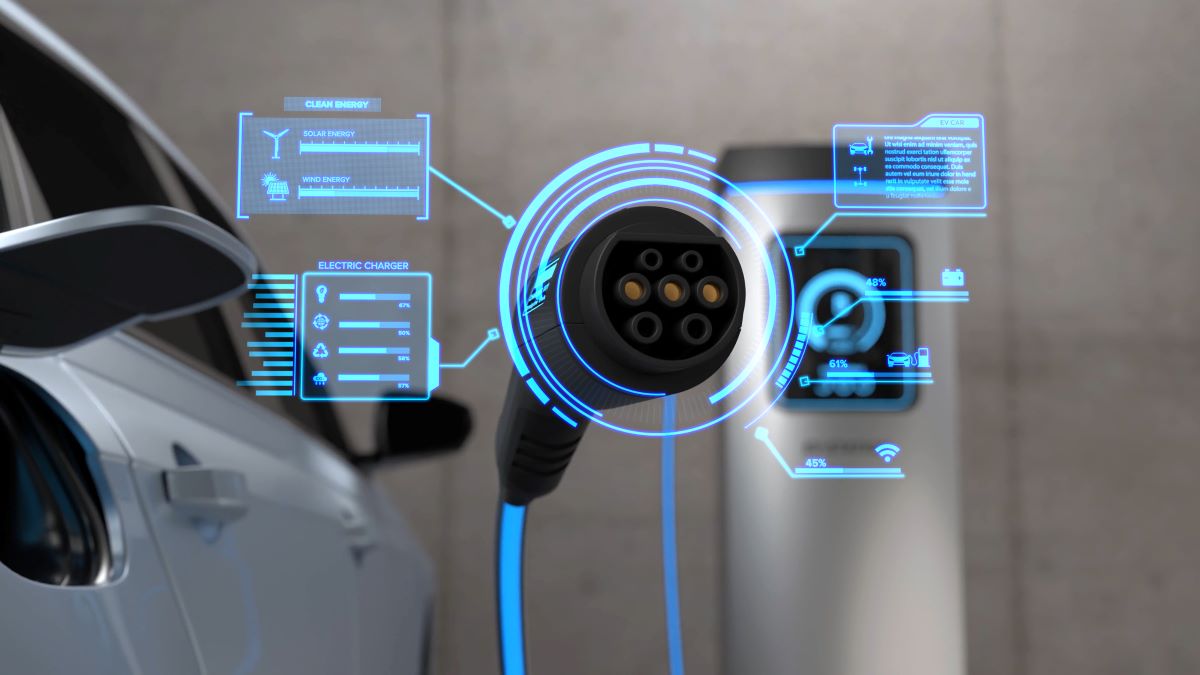
In 2026, the most visible EV trend is the rapid increase in fast-charging stations.
• Highways
• Commercial complexes
• Petrol pump hubs
• IT parks and industrial zones
• Residential townships
Ultra-fast chargers reduce charging time significantly, making EV ownership more practical for daily users and commercial fleet operators.
This trend is accelerating because consumers now demand charging convenience similar to fuel refilling.
Battery swapping is emerging as a strong trend, especially for:
• Delivery fleets
• E-rickshaws
• Two-wheelers
• Commercial electric mobility operators
Instead of waiting for charging, drivers can swap batteries in minutes.
• Station availability
• Battery health
• Subscription plans
• Swap cost and duration
This model supports faster EV adoption in high-traffic city environments.
V2G is a future-defining trend in 2026.
This system allows EVs to act as energy storage devices. When plugged in, EV batteries can supply electricity back to the grid during peak demand.
• Reducing grid load pressure
• Supporting renewable energy balancing
• Giving EV owners incentive income through energy selling
This trend is especially relevant as India increases solar energy adoption, which fluctuates during the day.
In 2026, India is expanding renewable-based EV charging hubs.
• Reducing electricity cost
• Supporting green mobility
• Minimizing dependence on the main grid
• Reducing carbon emissions
Many charging operators are now combining solar panels with energy storage systems for uninterrupted charging.
Charging stations create high load demand. Without storage, local power systems may struggle.
• Store energy during low-demand hours
• Deliver power during peak demand
• Prevent transformer overload
• Improve charging speed consistency
Energy storage is becoming essential for stable charging operations.
EV infrastructure in India is becoming smarter and more scalable in 2026. Fast charging networks, battery swapping, V2G systems, and renewable integration are reshaping mobility across the country.
For industries and developers, this trend creates major opportunities in electrical supply, charging installation, and energy storage deployment.
We are always open to cooperation
and welcome new projects