
-
Our Businesses

- Sustainability
- Our Blogs
-
Careers
- About Us
- Contact Us


Smart electrical infrastructure combines advanced power distribution, automation technologies, and energy management systems to ensure reliable and efficient industrial operations.

According to IEA (International Energy Agency), global electricity demand in industrial sectors is expected to grow by 3% annually until 2030.
This growth is pushing industries to adopt smarter electrical solutions that can:
• Manage energy consumption
• Prevent power failures
• Improve operational efficiency
• Support automation systems
The global energy crisis has forced industries to optimize energy consumption through smart electrical systems and energy monitoring platforms.
Governments worldwide are introducing stricter sustainability regulations, encouraging industries to adopt energy-efficient electrical systems.
Industry 4.0 technologies require advanced electrical infrastructure capable of supporting automation, IoT, and digital control systems.
Power Distribution Panels
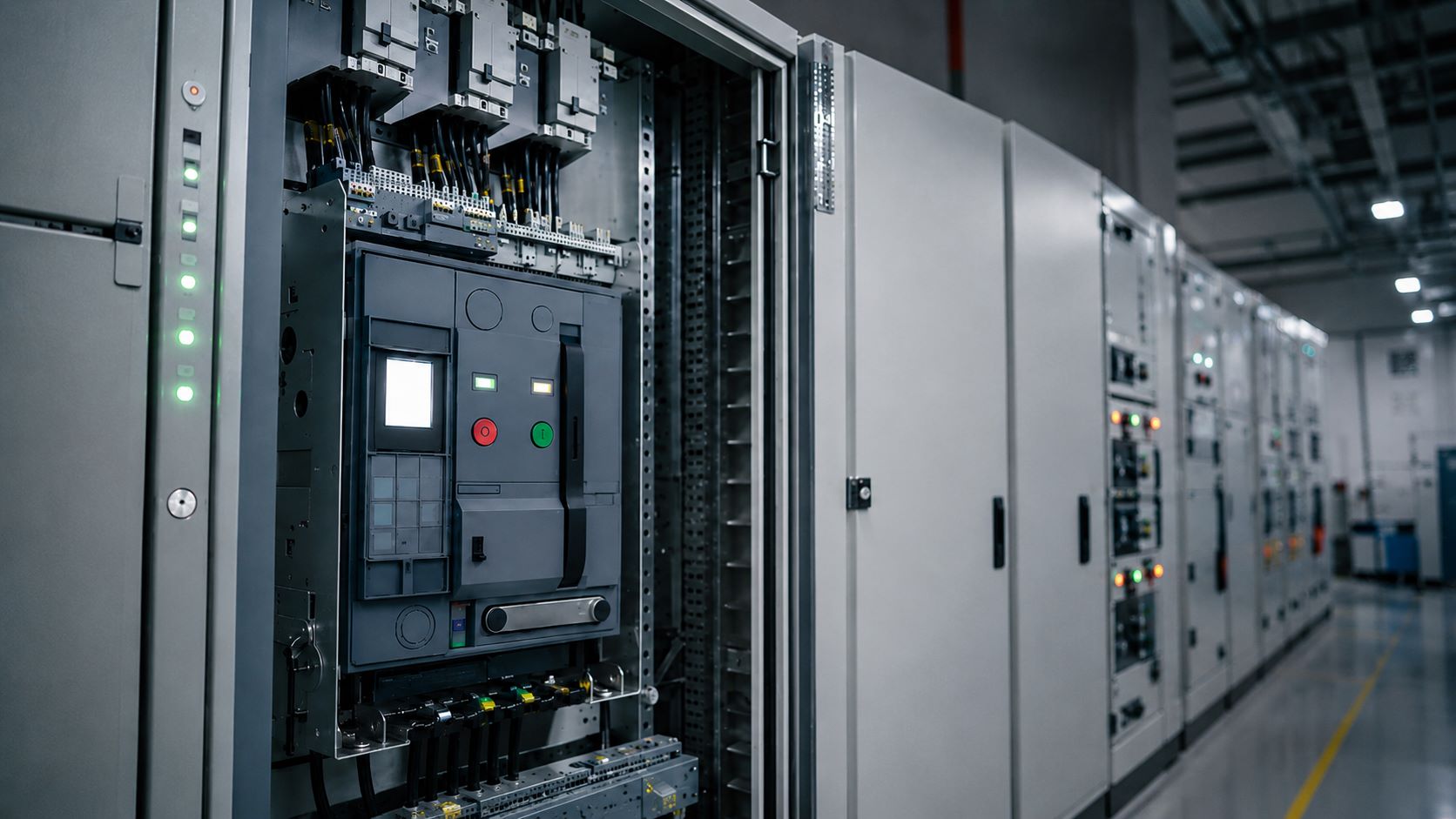
Panels such as PCC and MCC panels ensure reliable power distribution across industrial facilities.
Variable Frequency Drives (VFDs)
VFDs optimize motor performance and significantly reduce energy consumption.
Energy Monitoring Systems
These systems track electricity usage and identify inefficiencies.
Industrial Automation Integration
Electrical systems integrated with automation platforms enable real-time monitoring and control.
| Feature | Traditional Electrical Systems | Smart Electrical Systems |
|---|---|---|
| Monitoring | Manual | Real-time digital monitoring |
| Energy Efficiency | Low | High |
| Fault Detection | Reactive | Predictive |
| Maintenance | Scheduled | Predictive maintenance |
| System Integration | Limited | Fully integrated with automation |
1. Reduced Energy Consumption
Smart systems help reduce electricity costs through optimized power management.
2. Increased Reliability
Advanced monitoring prevents unexpected failures and downtime.
3. Improved Sustainability
Energy-efficient electrical systems reduce environmental impact.
4. Operational Efficiency
Automation integration ensures smoother industrial operations.
It refers to electrical systems integrated with digital monitoring, automation, and energy management technologies.
They improve efficiency, reduce energy costs, and enhance reliability.
Automation equipment such as PLCs and sensors rely on stable power distribution and monitoring systems.
Yes. Predictive monitoring detects potential faults early, allowing maintenance before failures occur.
We are always open to cooperation
and welcome new projects