
-
Our Businesses

- Sustainability
- Our Blogs
-
Careers
- About Us
- Contact Us


Indian manufacturing is rapidly evolving. Rising labour costs, quality expectations, safety regulations, and global competition are pushing manufacturers to rethink traditional production methods. This is where industrial automation plays a critical role.

From automotive and pharmaceuticals to food processing and infrastructure, industrial automation in India is transforming how factories operate—making them faster, safer, and more efficient.
This guide explains what industrial automation is, how it works, and why Indian manufacturers are increasingly adopting it.
Industrial automation refers to the use of machines, control systems, and digital technologies to perform tasks with minimal human intervention.
These systems monitor, control, and optimize industrial processes using:
• Programmable Logic Controllers (PLCs)
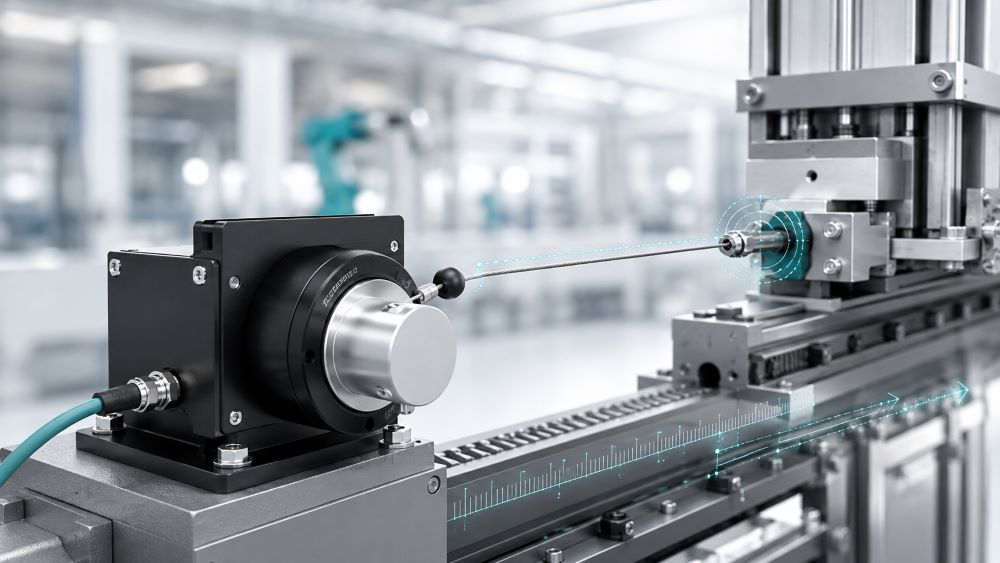
• Sensors and actuators
• Robotics and motion control
• SCADA and HMI systems
• Industrial software and networking
The goal is to achieve consistent output, higher efficiency, and reduced operational risk.
Industrial automation addresses several key challenges faced by Indian industries:
• Increasing demand for higher productivity
• Rising labour and operational costs
• Need for consistent quality and precision
• Compliance with safety and energy regulations
• Global competition and export requirements
Automation enables manufacturers to scale operations while maintaining reliability and cost control.
| Factor | Manual Systems | Automated Systems |
|---|---|---|
| Productivity | Limited by human speed | High and continuous output |
| Accuracy | Prone to human error | High precision and consistency |
| Labour Dependence | High | Low |
| Safety | Higher risk of accidents | Improved worker safety |
| Operating Cost | Higher long-term costs | Lower long-term costs |
| Scalability | Difficult | Easy to scale |
1. Control Systems
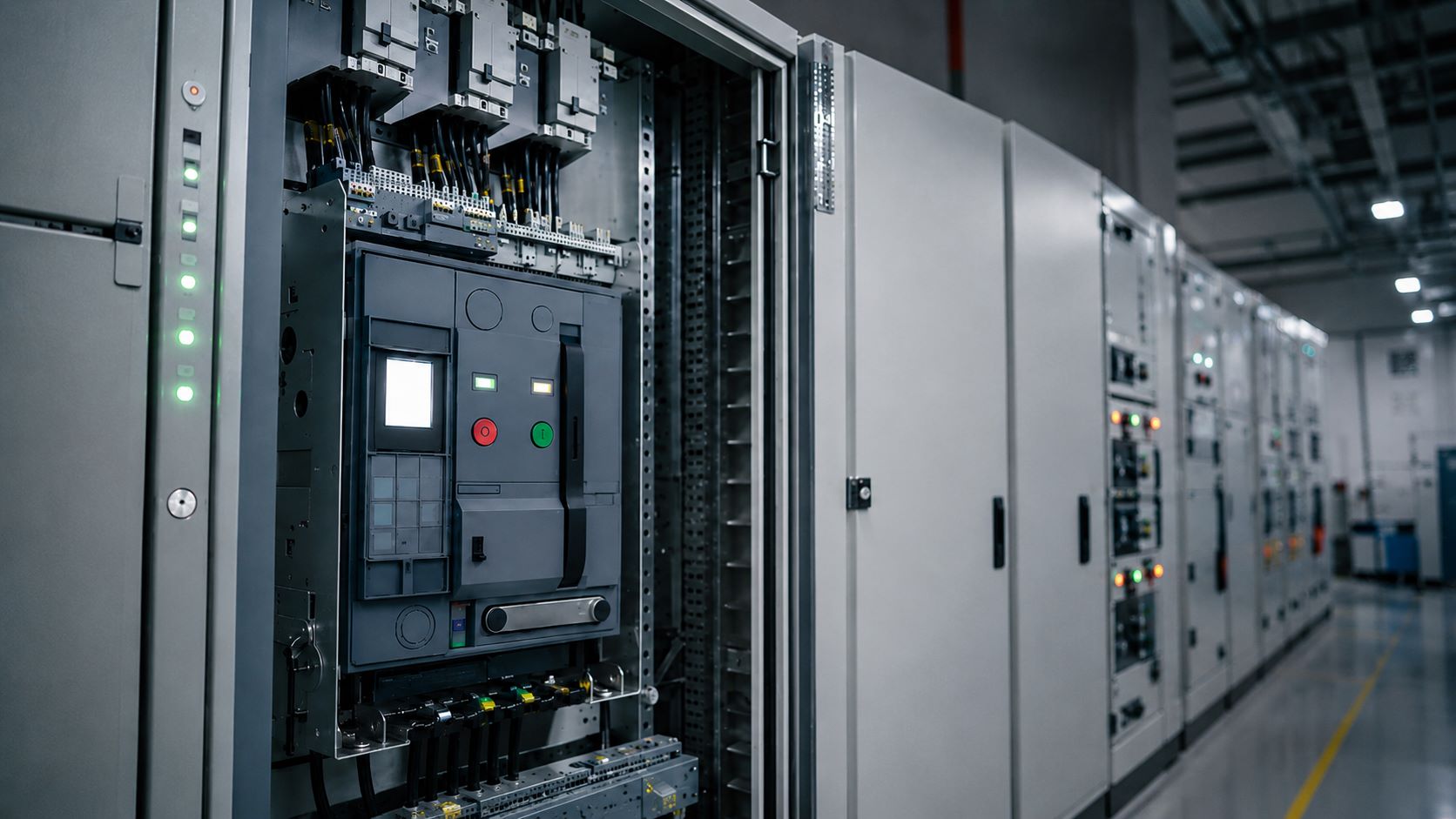
PLCs and Distributed Control Systems (DCS) manage machine operations and process logic.
2. Sensors & Instrumentation
Sensors collect real-time data such as temperature, pressure, speed, and flow.
3. Industrial Robotics
Robots handle repetitive, heavy, or high-precision tasks with speed and accuracy.
4. SCADA & HMI
Supervisory systems provide visualization, monitoring, and remote control of processes.
5. Industrial Networks
Communication systems connect machines, control panels, and enterprise software.
• Manufacturing: Assembly lines, material handling, quality control
• Pharmaceuticals: Batch processing, compliance, traceability
• Food & Beverage: Packaging, sorting, hygiene control
• Infrastructure: Power distribution, water treatment
• Data Centers: Energy monitoring and electrical automation
• Increased production efficiency
• Reduced downtime and wastage
• Improved product quality
• Enhanced worker safety
• Better energy management
• Real-time monitoring and decision-making
These benefits help Indian manufacturers stay competitive in both domestic and global markets.
• Initial investment costs
• Integration with legacy systems
• Skilled workforce requirements
• Cybersecurity considerations
Working with experienced solution providers ensures smooth implementation and long-term success.
• Automation components and systems
• Electrical and control products
• Energy-efficient technologies
• Technical expertise and industry guidance
With a strong global network and local expertise, Rexel helps Indian manufacturers transition from manual to automated operations effectively.
Industrial automation uses machines and control systems to perform industrial tasks automatically with minimal human involvement.
Is industrial automation expensive?
While initial costs may be higher, automation significantly reduces long-term operating and labour costs.
Which industries in India benefit most from automation?
Manufacturing, pharmaceuticals, food processing, power, and infrastructure sectors benefit the most.
Can small manufacturers adopt industrial automation?
Yes. Modular and scalable automation solutions allow small and mid-sized manufacturers to automate gradually.
Industrial automation is no longer optional for Indian manufacturers—it is a strategic necessity. By reducing costs, improving efficiency, and ensuring quality, automation enables businesses to compete on a global scale.
Looking to automate your operations?
Explore Rexel India’s Automation Solutions to build smarter, safer, and more efficient industrial systems.
We are always open to cooperation
and welcome new projects