
-
Our Businesses

- Sustainability
- Our Blogs
-
Careers
- About Us
- Contact Us


This guide explains the main types of industrial electrical panels, where they are used, and the best practices that ensure trouble-free operation.
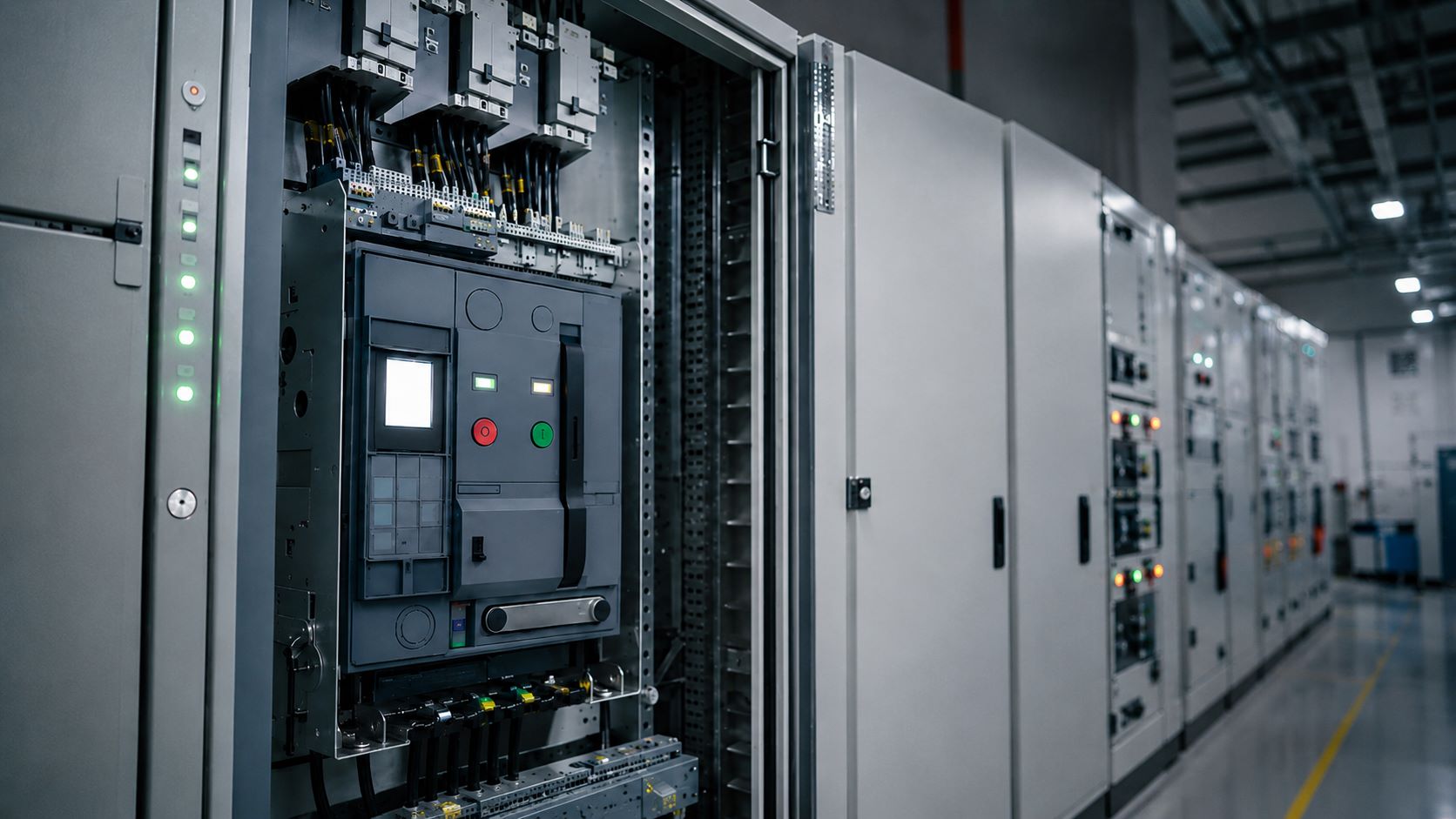
An industrial electrical panel is an enclosure that contains switchgear, circuit breakers, contactors, PLCs, relays, and protection devices used to distribute and control electrical power in a facility.
It performs three main functions:
• Power distribution
• Control of machines and processes
• Electrical protection and safety
Without properly designed panels, factories face power failures, equipment damage, and serious safety risks.
1. Power Control Center (PCC)
PCC panels handle high-power distribution from transformers to large equipment such as motors, compressors, and plant utilities.
They are typically used in:
• Heavy manufacturing
• Steel plants
• Cement plants
• Process industries
2. Motor Control Center (MCC)
MCC panels are designed specifically to control motors — starting, stopping, protecting, and monitoring them.
Used in:
• Pumps
• Fans
• Conveyors
• Mixers
3. PLC Control Panels
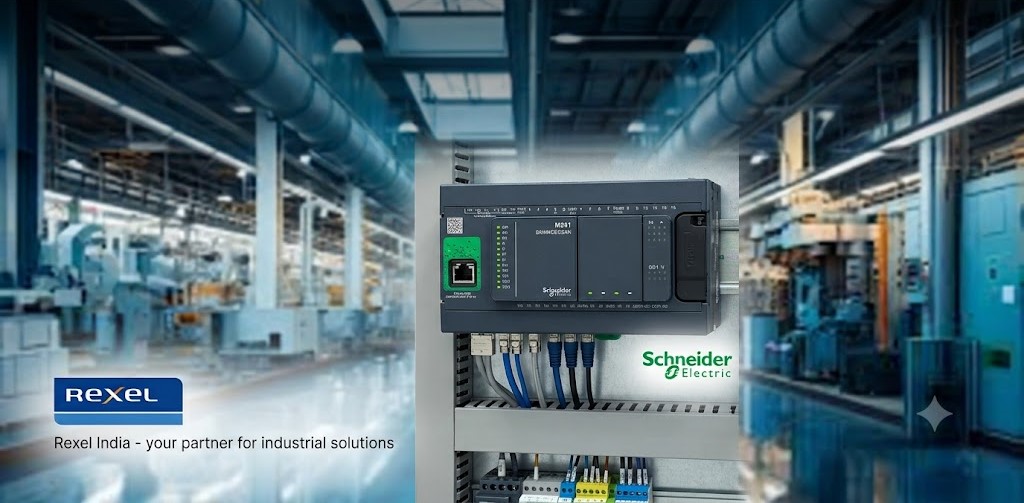
These panels contain Programmable Logic Controllers (PLCs) that automate machines and production lines.
Used in:
• Packaging lines
• Assembly systems
• Robotics
• Automated warehouses
4. Distribution Boards (DB)
These distribute power safely to lighting, sockets, machines, and sub-panels within a plant.
5. VFD & Drive Panels
Used to control motor speed and torque, helping save energy and improve process control.
We are always open to cooperation
and welcome new projects